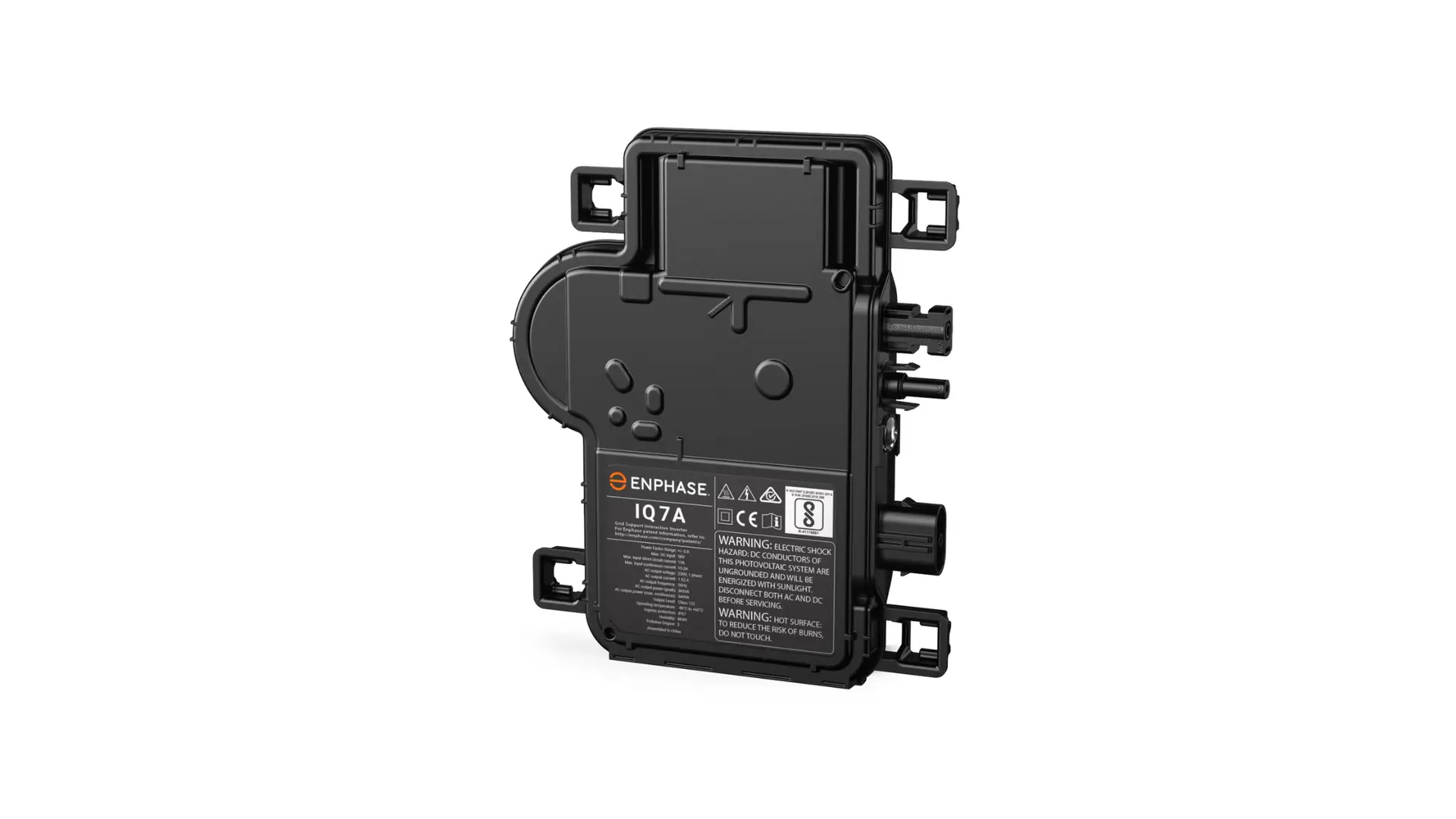
Learn How Does the Enphase Energy Microinverter System Work?
If you’re exploring solar for your home, understanding how different inverter systems work is key. The Enphase Energy Microinverter System has become a popular choice because it offers efficiency, safety, and flexibility that traditional string inverters often can’t match. But what exactly makes this system different, and how does it work?
What Makes Microinverters Different?
For ease of understanding, most traditional solar systems use a string inverter, a single unit that handles electricity from all the panels. The problem with this setup is that if one panel is shaded or dirty, it can reduce the performance of the entire system.
Enphase microinverters take a smarter approach. Each panel gets its own tiny inverter, converting electricity right at the source. That means every panel works independently, producing as much energy as it can, no matter what’s happening with the others. Even if some panels face shading or other minor issues, the rest keep generating power, making the system more efficient and reliable.
How the Enphase Microinverter System Works
Here’s a step-by-step look at how the system turns sunlight into usable electricity:
1. Conversion at the Source
Each solar panel generates DC electricity. The Enphase microinverter, mounted directly on the panel, immediately converts this power into AC electricity. This local conversion minimizes energy loss, ensuring your system works efficiently.
2. Panel-Level Monitoring
Enphase microinverters communicate with the Envoy, a small monitoring device, allowing you to see how each panel is performing in real-time. If a panel underperforms, you’ll know exactly which one needs attention, rather than guessing at the source of a problem.
3. Independent Panel Operation
Since each panel functions independently, shading, debris, or a minor malfunction won’t affect the rest of your system. This results in higher overall energy production and makes the system more resilient in less-than-perfect conditions.
4. Safety and Flexibility
Because electricity is converted to low-voltage AC right at the panel, there’s no high-voltage DC running across your roof, reducing the risk of fire hazards. The system is also highly scalable; therefore, adding more panels in the future is straightforward and doesn’t require overhauling a central inverter.
Why Homeowners Love Enphase Microinverters
Homeowners appreciate the Enphase system for its efficiency, reliability, and peace of mind. Each panel operates independently, which means even roofs with multiple angles or partial shading can produce maximum energy. The real-time monitoring allows you to track performance at a granular level, so you’re always aware of how your system is performing. On top of that, the safety benefits and the ease of future expansion make it a flexible and practical choice for long-term solar investment. In short, it’s a system that works harder, smarter, and safer for you.
Is an Enphase System Right for You?
If your roof has shading, multiple orientations, or you want a high-performance, low-maintenance solar solution, Enphase microinverters are a strong choice. Compared to string inverter systems, they offer higher energy production, better safety, and flexibility for future expansion. Understanding the difference between microinverters and string inverters, and knowing the importance of choosing the right inverter size, can help you make an informed decision and get the most out of your solar investment.