A Guide to Choose the Right Inverter Size for Home
When it comes to setting up a solar power system for your home or business, one of the most important decisions you’ll make is choosing the right inverter size. This guide will help you understand what an inverter does, why the size of the inverter matters, and how to choose the perfect one for your requirements.
What is an Inverter?
A solar inverter is a crucial component of your solar power system, as it converts the direct current (DC) generated by your solar panels into alternating current (AC), which is what your home appliances use. Therefore, without an inverter attached to your solar system, the electricity generated from your solar panels would be useless for running your refrigerator, TV, or any other household devices.
Why Does Inverter Size Matter?
Now that you have a clearer grasp of the crucial role a solar inverter plays in your energy system, let’s explore why its size is so important. The size of your inverter dictates the maximum amount of power your system can handle at any given time. If the inverter is too small, it won’t be able to convert all the energy produced by your solar panels, resulting in wasted electricity. Conversely, an inverter that’s too large can be needlessly costly and might not operate as efficiently.
Steps to Choose the Right Inverter Size
When you contact your local solar installer, they will carefully collect the necessary data to precisely determine the type and size of inverter your system needs. However, if you wish to learn about the appropriate inverter size yourself before reaching out or simply want to be more informed, here are the steps to choose the right inverter size.
1. Calculate Your Energy Needs:
Review your electricity bills to determine your household’s average daily energy consumption, typically measured in kilowatt-hours (kWh). While you are at this step, account for any potential future changes, such as adding new appliances or expanding your home, which could increase your energy usage.
2. Assess Your Solar Panel Capacity:
Determine the total capacity of your solar panels. This is the maximum amount of energy your panels can produce under ideal conditions, usually measured in kilowatts (kW). Make sure this capacity aligns with your energy needs. If you produce more energy than you use, you might want to look into energy storage options or selling excess power back to the grid.
3. Match Your Inverter to Your Solar Panels:
Your inverter should have a capacity close to your solar panel system’s capacity. A general rule of thumb is that the inverter size should be about 80-100% of the solar panel capacity. For example, if your average daily energy consumption is 20 kWh, and you have 10 solar panels at 300 watts each (totaling 3 kW), then your inverter should be sized between 2.4 and 3 kW.
4. Consider Inverter Types:
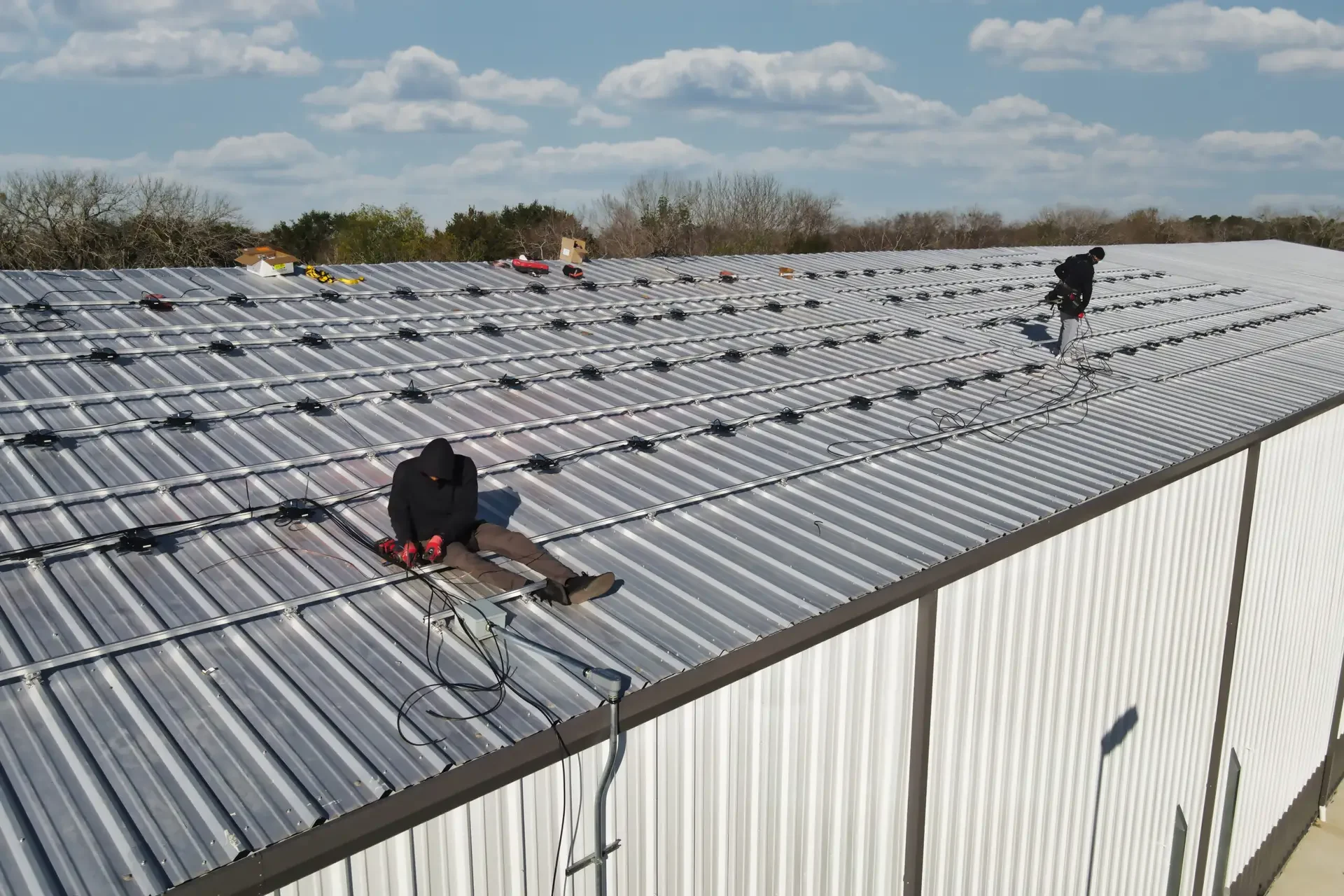
There are two main types of inverters, and deciding which is best for your system and needs is crucial. String inverters are the most common and cost-effective option, ideal for systems where all panels face the same direction. On the other hand, microinverters are attached to individual solar panels, allowing them to optimize the performance of each panel independently. They are an excellent choice if you have shading issues or panels facing different directions.
5. Think About Future Needs:
Moreover, if you plan to expand your solar system in the future, choose an inverter that can handle the increased load. It might be worth investing in a slightly larger inverter now to save on replacement costs later.
6. Consult a Professional:
While understanding these options is important, consulting with your local solar installer remains the best approach. They can evaluate your unique circumstances, provide expert advice, and ensure your system is optimized for efficiency. At Solstice Solar, we focus on delivering trusted solutions, offering industry‑leading inverters such as the Enphase IQ8 Series Microinverter and the Tesla Solar Inverter. If you’re in Texas and considering solar investment but unsure about choosing the right inverter size, reach out to our team at Solstice Solar. We’re here to guide you every step of the way.
In conclusion, choosing the right inverter size for your home is essential for maximizing the benefits of your solar power system. By understanding your energy needs, assessing your solar panel capacity, and considering future growth, you can select an inverter that perfectly fits your requirements. Remember, a well-matched inverter not only ensures efficient energy conversion but also enhances the overall performance of your solar power system.
Embrace the power of solar energy today!