Solar Ground Mount vs. Roof Mount Racking: Which is Best?
When planning a solar panel installation, one of the most important decisions is choosing between a solar ground mount or a roof mount racking system. Solar mounting involves the framework used to secure panels, ensuring they are optimally positioned to capture sunlight and maximize energy production. Each mounting option offers distinct benefits and considerations, making it essential to evaluate which system best fits your property and energy needs. In this guide, we’ll explore the key differences between ground and roof mounts and help you determine which solution is right for your specific situation.
What is Solar Ground Mount Racking?
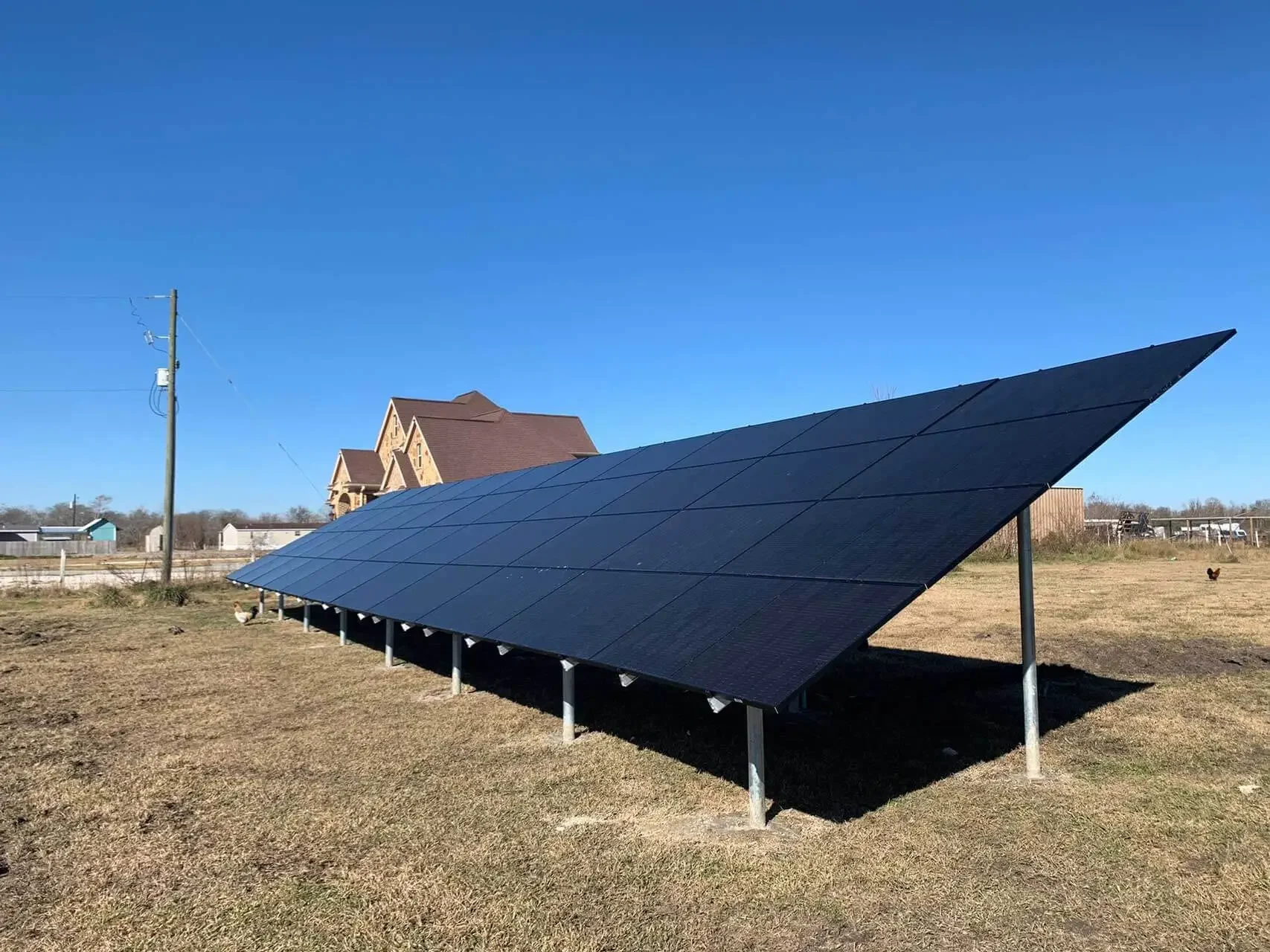
Solar ground mount racking refers to a system where solar panels are installed on frames or posts positioned on the ground. This mounting method typically involves erecting a structure that elevates the panels, allowing for adjustable tilt angles and optimal sun exposure. Ground mounts are especially useful for properties with ample open space and can be customized to suit varying solar conditions.
Advantages of Solar Roof Mount Racking
Solar roof mount racking offers several significant benefits. One of the primary advantages is the efficient use of existing rooftop space, which is particularly valuable for properties with limited ground area or high land values. Roof mount systems generally come with lower installation costs since they leverage existing structures, minimizing the need for additional materials and reducing labor expenses. Additionally, roof-mounted panels are less visible from the ground, which can enhance the aesthetic appeal of the property and potentially help maintain its value. Another benefit is that by placing the panels on the roof, you avoid common issues associated with ground installations, such as waterlogging or pest problems, thus simplifying solar panels maintenance and enhancing the system’s longevity.
Disadvantages of Solar Ground Mount Racking
Solar ground mount racking comes with several disadvantages. The system typically involves higher upfront costs because of the additional materials and extensive site preparation required, such as excavation and foundation work. Ground mounts also demand a significant amount of land space, which may not be available or practical for properties, especially in urban areas. Additionally, installing ground-mounted systems can impact the landscape and may be subject to local zoning restrictions or environmental regulations, potentially complicating the solar installation process.
What is Solar Roof Mount Racking?
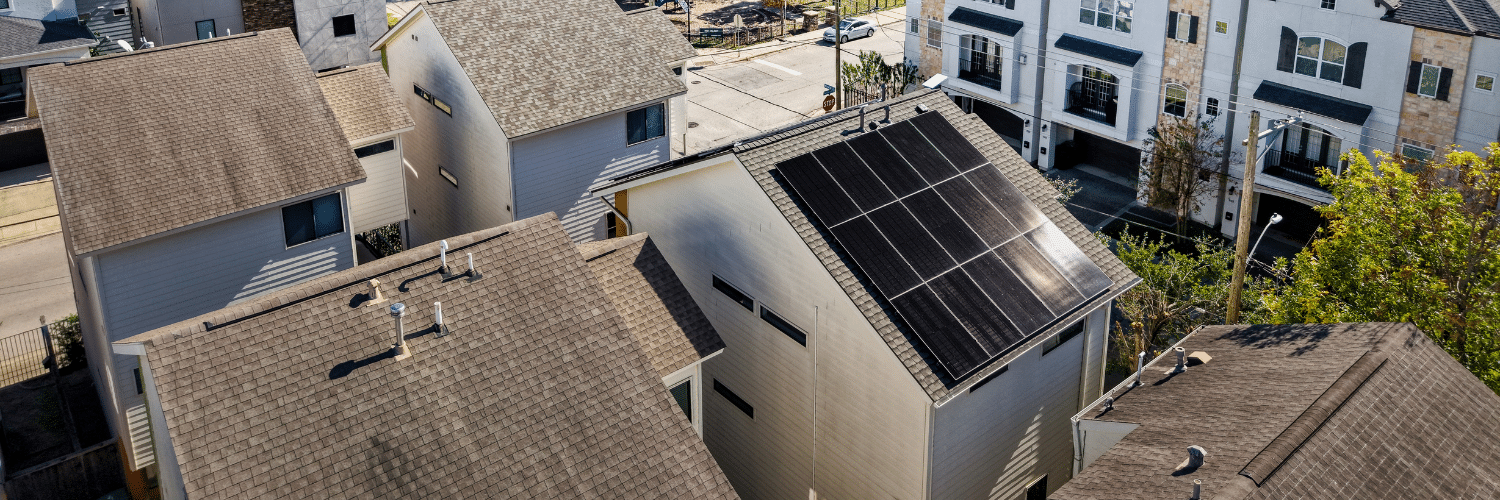
Solar roof mount racking involves securing solar panels directly to the roof of a building using a framework that integrates with the existing roof structure. This method efficiently utilizes rooftop space and is generally less invasive than ground-mounted systems.
Advantages of Solar Roof Mount Racking
Roof mounts make effective use of available rooftop space, which is particularly advantageous for properties with limited ground area or high land values. They also tend to have lower installation costs since they leverage existing structures, reducing the need for additional materials and labor. Moreover, roof-mounted panels are less visible from the ground, which can enhance the aesthetic appeal and potentially maintain property value. Additionally, by placing panels on the roof, you avoid common ground-related issues such as waterlogging or pest problems.
Disadvantages of Solar Roof Mount Racking
On the downside, roof mounts have fixed angles and orientations, which may limit their ability to optimize solar exposure compared to ground mounts. The condition of the roof is also critical; an older or weakened roof might not be suitable for additional weight and may require repairs before installation. Accessing roof-mounted panels for maintenance and cleaning can be more challenging, potentially impacting long-term performance. Additionally, roof-mounted systems may be affected by shading from obstructions like chimneys or nearby trees.
Key Factors to Consider When Choosing a Solar Mounting System
Selecting the right solar mounting system involves evaluating several crucial factors to ensure it fits your property and needs.
Here’s a brief overview of what to consider:
- Space Availability: Assess whether you have enough land for a ground mount or if your rooftop is suitable for a roof mount.
- Budget: Determine your budget, noting that ground mounts typically involve higher costs due to additional materials and site preparation, while roof mounts are often more affordable.
- Roof Condition: Check the condition of your roof; older roofs may benefit from ground mounts to avoid extra weight, while newer roofs might be suitable for roof mounts.
- Environmental Conditions: Consider local weather patterns. Ground mounts offer flexibility for optimal positioning, whereas roof mounts may be affected by shading or snow.
- Aesthetics: Decide which option best suits your property’s appearance. Roof mounts are less visible and may be more aesthetically pleasing, while ground mounts can alter the landscape.
These factors will help you choose the most suitable solar mounting system for your situation. For tailored advice, consulting with a solar expert can provide additional guidance specific to your needs. If you’re a homeowner or business owner in Houston, Texas, looking to explore solar energy, contact our Solstice Solar team. We offer free consultations to help you determine the best solar solution and answer any questions you may have.