
Why Batteries Drain Faster in Cold in Houston & How to Protect Yours
Winter Storm Fern brought an unusual stretch of cold weather to Texas at the end of January 2026, and many homeowners noticed their devices acting differently. Phones shut off sooner, EVs showed fewer miles, and some home solar batteries seemed to deliver less power than usual. These changes led to understandable concern, especially during a time when people were already dealing with stress, uncertainty, and the emotional weight of a severe weather event.
Modern home batteries are designed to handle winter conditions. During the storm, what many noticed wasn’t battery failure, it was your system protecting itself as designed. As Houston’s Best Solar Company of 2025 and certified installers for Tesla Powerwall, Enphase Energy, and FranklinWH, we want to help homeowners understand what really happened and how to keep their systems performing at their best.
Here’s why your batteries behaved this way, and what you can do.
Cold Weather Changes Battery Behavior, Not Battery Strength
A battery works by moving ions through internal components. When temperatures fall, this movement slows down, which temporarily reduces how quickly the battery can deliver energy. This is normal and expected. It does not mean the battery is damaged or losing long term capacity. It simply means the chemistry is adjusting to the environment.
Most of the issues people noticed during Winter Storm Fern were the result of misunderstanding how batteries behave in cold weather. A device shutting off early or an EV showing reduced range is not a sign of weakness. It is the battery protecting itself and operating exactly as designed.
What Happens Inside a Battery When It Gets Cold
Cold weather affects the internal chemistry in predictable ways. Ion movement slows, the electrolyte thickens, and voltage drops under load. These changes make the battery appear weaker even when it still holds plenty of stored energy. Once temperatures rise again, performance returns to normal.
Here is the simple version of what cold weather does:
- Ion movement slows, which reduces the battery’s ability to deliver power
- Voltage drops, causing devices to shut off earlier than they normally would
Modern Home Batteries Are Engineered for Winter
During Winter Storm Fern, many Houston homeowners noticed their solar batteries adjusting their performance. This is not a flaw. It is a protective feature. Modern home batteries include intelligent thermal management systems that automatically regulate temperature, charging, and output to protect the cells.
Systems like the Tesla Powerwall, Enphase IQ batteries, and FranklinWH aPower 2 and aPower S are designed to handle temperature swings far better than older technologies. They may temporarily limit charging or reduce output during a freeze, but these adjustments are intentional and help preserve long term health. In many cases, the battery is simply preventing misuse, such as charging when temperatures are too low.
To make this clearer, here is a quick comparison of how premium home batteries respond to cold conditions:
| Battery System | Winter Behavior | Built‑In Protection |
| Tesla Powerwall | Slows charging to protect cells | Intelligent thermal management |
| Enphase IQ Batteries | Adjusts output during extreme cold | Cell‑level monitoring |
| FranklinWH aPower 2 / aPower S | Maintains stable performance with minor adjustments | Integrated temperature control |
How Cold Snaps Affect Texans and How to Keep Your Battery Performing Well
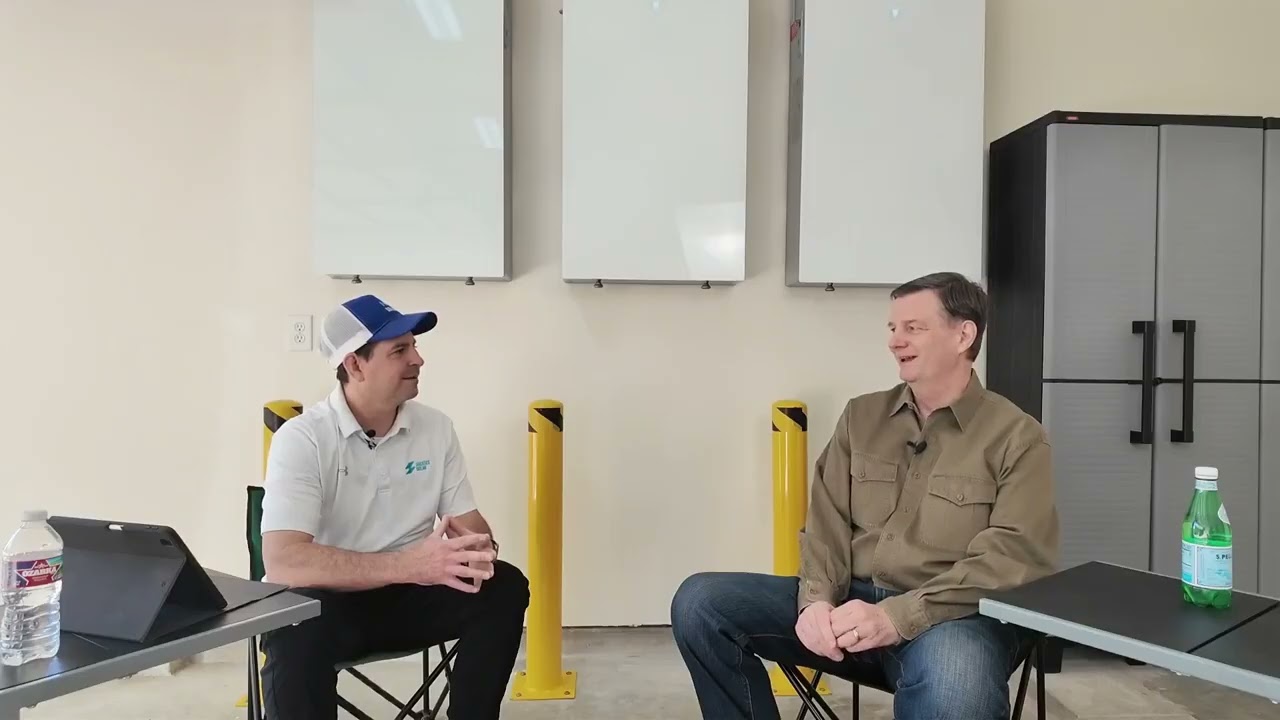
Houston isn’t built for sudden freezes, and cold snaps can make backup power more noticeable. Jay Rysavy, a local homeowner, saw this firsthand during the last storm: his batteries handled the cold and cloudy days without missing a beat, keeping the house running and giving him peace of mind even when the grid faltered.
Curious how Jay’s system handled the storm? Watch his full story on our YouTube channel to see real-life winter battery performance in Houston.
Tips for keeping your batteries performing during Houston’s cold snaps:
- Avoid charging lithium ion batteries when temperatures are below freezing
- Precondition EVs or home batteries before heavy use during a freeze
Proper installation also matters. Placement, insulation, and system configuration all influence how a home battery handles temperature swings. Solstice Solar designs every system with Houston’s unpredictable climate in mind, ensuring reliable performance in both extreme heat and unexpected winter conditions.
Stay Safe, Stay Prepared, and Stay Supported
Winter storms can be stressful, and it is completely normal to feel anxious when the weather becomes unpredictable. A reliable home battery can offer peace of mind, stability, and a sense of control when everything else feels uncertain. If Winter Storm Fern made you think more about backup power or you want to understand how a home battery performs in extreme weather, Solstice Solar is here to help. We serve homeowners across Greater Houston and install systems built to keep your home safe, comfortable, and resilient all year long.
Be ready for the next cold snap, schedule your free solar + battery consultation with Solstice Solar!