
How To Prepare Your Home For Power Outages
Power outages have become increasingly common, especially in places like Texas, where recent events have seen outages lasting for extended periods. These disruptions are often triggered by storms, equipment failures, or other emergencies and tend to increase during the summer months due to high demand on the grid. Proper preparation is crucial to ensure you handle these outages comfortably. This comprehensive guide will help you prepare your home, including using solar batteries and span panels to efficiently manage your energy distribution when the power goes out.
1. Create an Emergency Kit
Creating an emergency kit is a fundamental step in any preparedness plan. Your kit should include several essential items to ensure you can manage during a power outage. Start with flashlights and batteries; having multiple LED flashlights is ideal as they are energy-efficient and provide longer-lasting light. Also, include candles and matches for short-term illumination, but be sure to store them safely away from flammable materials to prevent accidents. A portable phone charger is crucial for maintaining communication; keep a power bank fully charged so you can recharge your phone even when the power is out. Additionally, don’t forget a first aid kit stocked with basic supplies, medications, and any special medical needs that you or your family may have. This comprehensive kit will help you stay safe and comfortable during any unexpected power disruptions.
2. Stock Up on Non-Perishable Food and Water
Stocking up on non-perishable food and water is essential for power outages when your refrigerator and freezer won’t work. Choose canned goods like beans, vegetables, and soups, along with dry foods such as pasta, rice, and cereal. Include high-energy snacks like granola bars, nuts, and dried fruits. Ensure you have at least one gallon of water per person per day for three days, plus extra for pets.
3. Prepare Your Home’s Utilities
Prepare your home’s utilities to handle a power outage effectively. For your refrigerator and freezer, keep the doors closed to maintain the temperature and use a thermometer to monitor it. Plan alternative cooking methods, such as using a camping stove or grill, but only use these outdoors to avoid carbon monoxide risks. Insulate your water heater to keep hot water available for a longer period.
4. Install a Backup Power Source
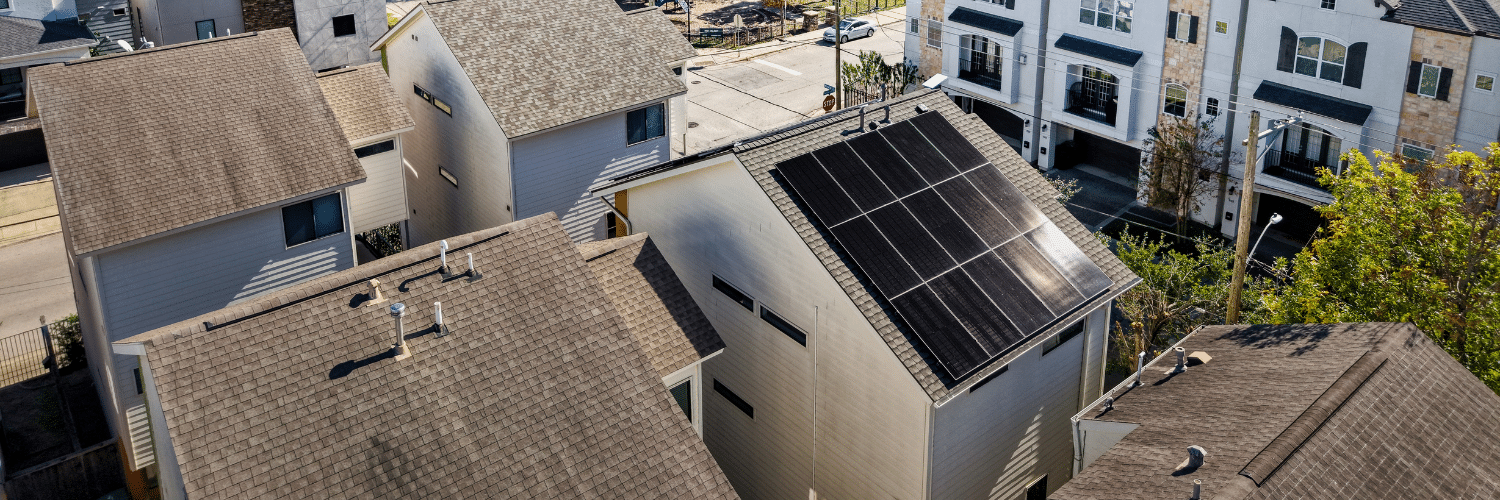
For frequent power outages or added security, consider a combination of backup solutions. A portable generator can keep essential appliances running but should be used outside to avoid carbon monoxide risks. To manage energy distribution and keep key devices powered, battery backup systems, especially when paired with solar panels, are effective. An uninterruptible power supply (UPS) is perfect for sensitive electronics, offering temporary power to save work and shut down safely. Additionally, a Span Smart Panel can optimize how you use energy, enhancing overall management, though it doesn’t serve as a backup power source.
5. Plan for Heating and Cooling
To stay comfortable during a power outage, take strategic measures for both heating and cooling. For warmth, bundle up with blankets and warm clothing, and if you have a wood stove or fireplace, ensure you have ample fuel and proper ventilation. In hot weather, keep windows and doors closed to retain cooler air, and use battery-operated fans if available to circulate the air. If you have a solar panel system with a battery backup, like Span panels, you can manage your energy use more effectively, powering essential cooling devices and maintaining a more comfortable temperature.
6. Secure Important Documents
Keep important documents easily accessible to ensure you can manage emergencies effectively. List phone numbers for family, friends, and emergency services, and store them in a secure location. Place identification and insurance papers in a waterproof container or fireproof safe to protect them from damage. Additionally, keep copies of prescriptions and essential medical information handy to address any health needs promptly.
7. Communicate with Your Family
Ensure everyone in your household is prepared by developing a comprehensive emergency plan. This plan should include designated meeting places and clear communication methods. Assign specific roles and responsibilities to each family member, such as gathering supplies or monitoring updates, to ensure that everyone knows their tasks and can act efficiently during an emergency.
8. Monitor Weather and Power Outage Information
Stay informed during an outage by using a battery-powered or hand-crank weather radio to receive weather alerts and updates. Additionally, sign up for alerts from your local utility company to get real-time information about power outages in your area.
9. Check and Maintain Your Preparations Regularly
Keep your preparations in top shape by regularly testing and replacing batteries in flashlights and radios. Periodically inspect your emergency kit, reviewing and restocking items as needed. Additionally, schedule routine maintenance for backup power systems, such as generators or battery backups, to ensure they are ready when you need them.
By preparing in advance and integrating solar and span batteries into your energy management, you can stay safe, comfortable, and informed during unexpected power disruptions. These measures will help you effectively manage your energy needs and maintain a sense of security, no matter the circumstances.