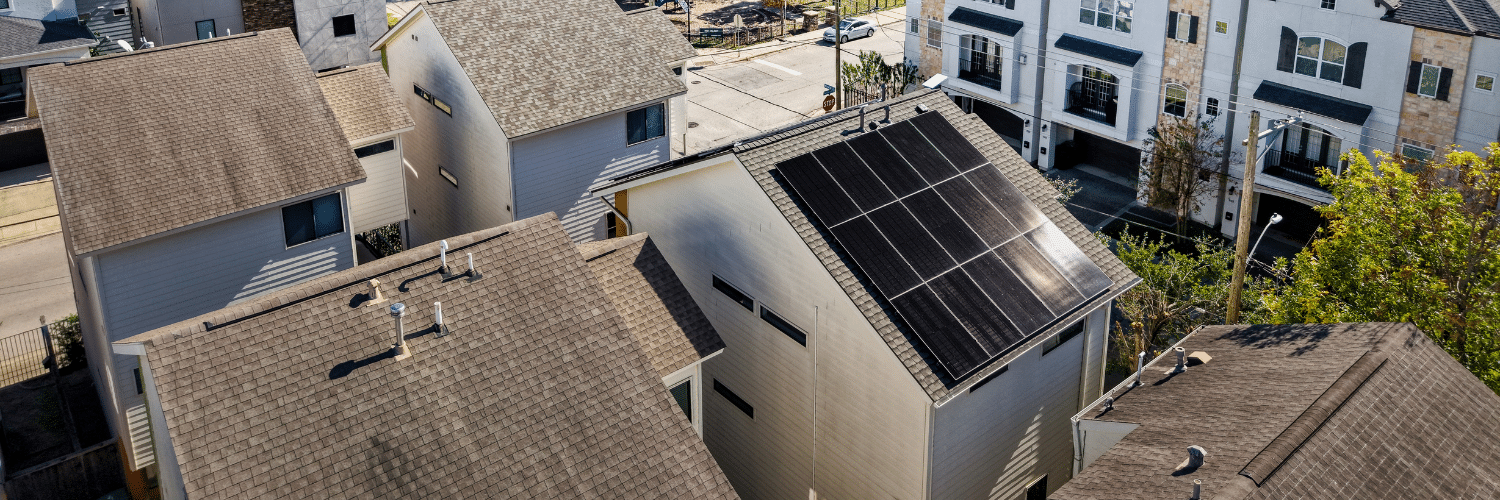

Everything You Need To Know About Solar Financing
The growing appeal of solar energy is undeniable, attracting homeowners and individuals for its multifaceted benefits. From significantly reducing electricity bills and minimizing environmental impact to potentially increasing property values, solar power offers a compelling solution. However, the upfront cost for a solar system can be a significant obstacle. Fortunately, this hurdle can be overcome by exploring the abundance of solar financing options available. By leveraging these financial options, you can embrace the power of the sun without straining your budget.
What Is Solar Financing?
In order to facilitate the transition to solar energy, solar installers provide homeowners and individuals with three primary financing options. These options include upfront cash purchases, solar loans that spread the cost over time, and solar leases or power purchase agreements (PPAs) that offer a pay-as-you-go approach.
Understanding The Different Types of Solar Financing
Cash Purchase
For those seeking the simplest and most direct route to solar power, a cash purchase represents an attractive option. By paying the full system price upfront, you eliminate interest rates that burden other financing options. This not only simplifies your finances but also accelerates your payback period, bringing you closer to enjoying the financial rewards of solar energy. Additionally, going with the cash purchase solar financing option grants you full ownership of the system allowing you to benefit from the federal solar tax credit, currently offering a significant 30% reduction in installation costs, along with any local rebates and incentives offered from your state or municipality.
Solar Loan
For homeowners and individuals who desire the ownership benefits of a cash purchase but lack the upfront capital, solar loans offer a compelling solution. This financing option allows you to spread the cost of your solar system over time, making the transition to clean energy more manageable. Not only that, but also similar to a cash purchase, opting for a solar loan grants you ownership of the system, ensuring your eligibility for valuable incentives and rebates. However, it is important to keep in mind that securing favorable interest rates for your loan typically requires a good credit score, with exceptional scores potentially qualifying you for minimal to no down payment.
Solar Leases or Power Purchase Agreements (PPAs)
The solar financing options do not stop here, for those seeking a more accessible entry point to solar energy, solar leases and power purchase agreements (PPAs) present an attractive alternative that bypasses the need for a large upfront investment. These arrangements essentially function as a rental model, where homeowners pay a fixed monthly fee for the electricity generated by the solar panels rather than owning the system outright. While both solar leases and power purchase agreements (PPAs) offer entry to solar without upfront costs, they differ in how you pay for the energy produced.
Solar leases provide immediate access to solar power with minimal upfront investment while allowing homeowners to pay a predetermined monthly amount for the use of the panels. On the other hand, power purchase agreements (PPAs) involve paying for the actual electricity produced by the panels at a pre-negotiated rate, which is typically lower than that of traditional utility rates.
While solar leases and PPAs offer an attractive entry point with included maintenance, monitoring, and a shield against fluctuating utility rates, they may not be the most cost-effective option in the long run compared to owning the system outright.
Which Solar Financing Option Is Right For You?
The cost of a solar system is not a one-size-fits-all proposition. Every home and business has unique energy needs and consumption patterns, which directly impact the system size and overall cost. Therefore, to ensure you select the most suitable financing option, we recommend contacting a reputable solar installer. They can conduct a thorough analysis of your energy consumption and provide a customized breakdown of each financing option tailored to your specific needs. This personalized approach will empower you to make an informed decision that aligns perfectly with your financial goals and energy requirements.
For Texas residents seeking to explore solar financing options and discover the perfect fit for their needs, our team is here to help! Contact us today for a free, no-obligation consultation and customized proposal.