Common Myths About Residential Solar in Houston Debunked
Houston is one of the fastest-growing cities in the U.S., and energy costs are rising year after year. Many homeowners are curious about solar but hesitate because of myths about cost, climate, or roof suitability. In this blog, we’ll debunk the most common Houston-specific myths and provide accurate, actionable information for homeowners considering solar.
Myth 1: Houston’s Weather Isn’t Ideal for Solar
Some homeowners assume Houston’s humid summers and frequent storms make solar ineffective. In reality, Houston receives around 204 sunny days per year, which is enough for panels to generate substantial electricity. Modern panels are designed to perform efficiently even in heat and humidity, and advances like microinverters allow energy production even on partially shaded roofs. During spring and summer, when electricity demand is highest for air conditioning, solar energy can significantly reduce monthly bills.
Myth 2: Solar Panels Are Too Expensive
While solar is an investment, costs have dropped significantly in recent years. As of 2025, the average installed cost for a residential solar system in Houston is approximately $2.16 per watt, meaning a typical 5 kW system costs between $9,000 and $12,500 depending on roof size and system type. Houston residents can also take advantage of the federal 30% solar tax credit, which reduces upfront costs, though this incentive expires at the end of this year, 31st of December 2025. Local utility programs, financing options, and net metering policies further improve affordability, making solar a smart financial decision.
Myth 3: Solar Panels Can’t Withstand Houston Storms
Hurricanes, tropical storms, and hail make some homeowners nervous, but modern solar panels are built to endure extreme weather conditions. Certified Houston installers follow local building codes and use reinforced mounting systems to ensure panels remain secure. Panels are tested to withstand high winds and hail, and warranties typically cover 25 years, giving homeowners peace of mind even in Houston’s storm-prone environment.
Myth 4: Only New Homes Can Install Solar
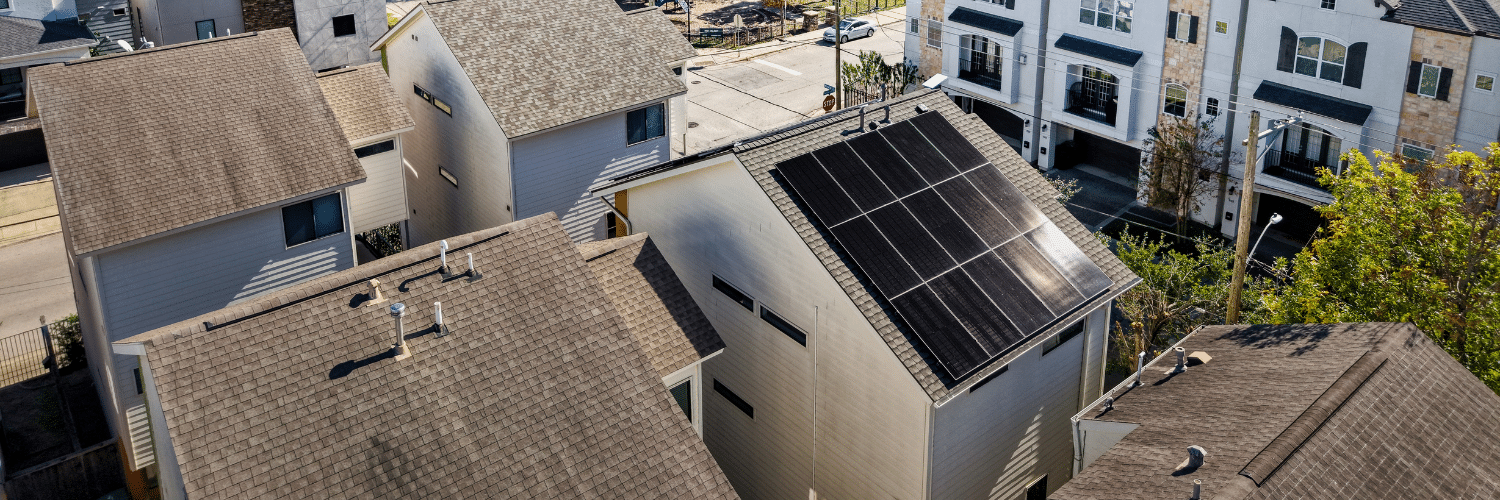
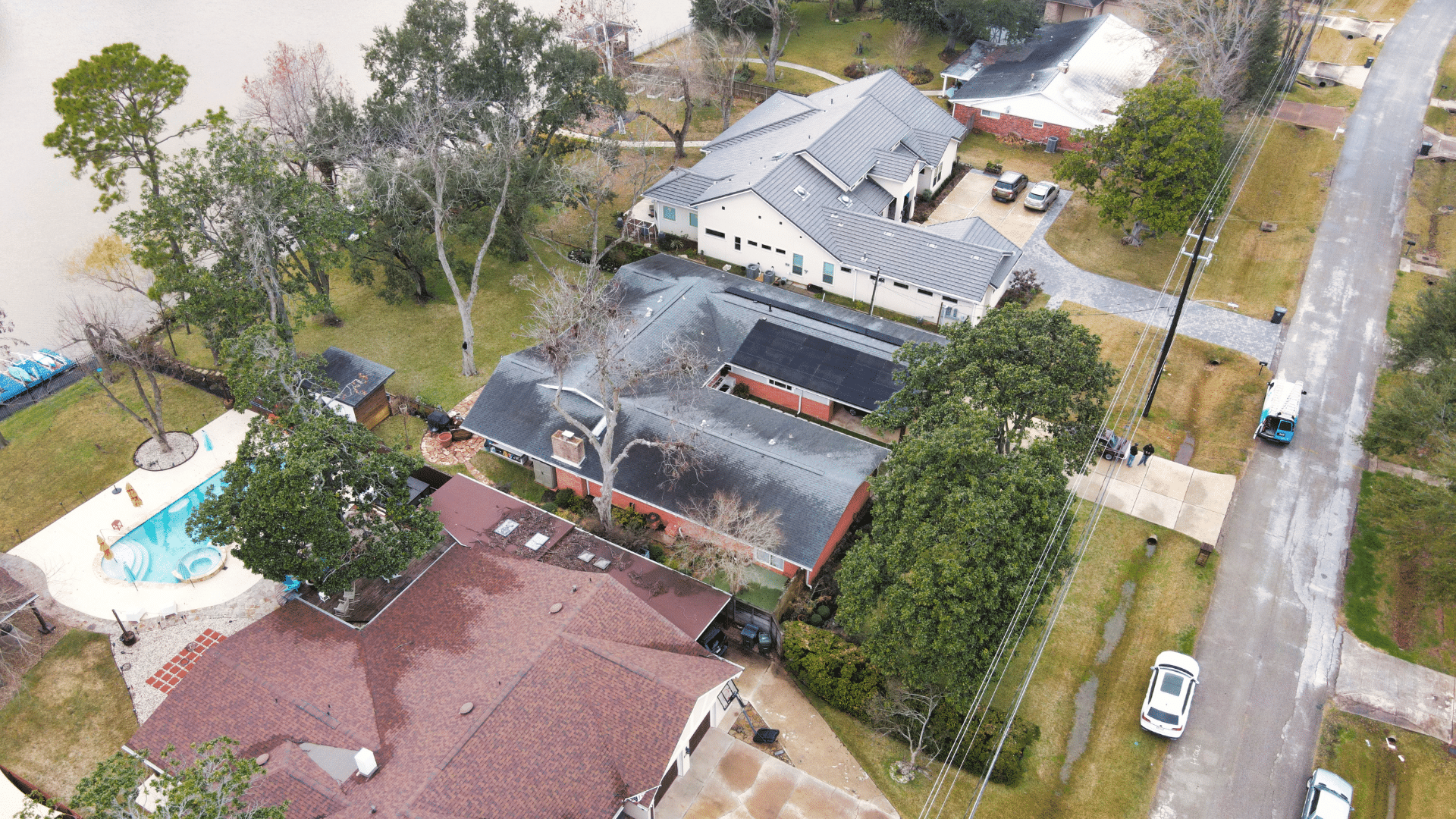
Many older Houston homes are perfectly suitable for solar installations. What matters most is roof orientation, shading, and structural integrity rather than the age of the house. Professional solar assessments can identify the best placement for panels, and minor roof or electrical upgrades can make solar viable for most homes. This means a wide variety of Houston residences, from historic neighborhoods to newer developments, can benefit from solar energy.
Myth 5: Panels Don’t Perform Well in Houston Heat
Houston summers can be hot, but panels are designed with temperature coefficients that allow them to operate efficiently in high heat. While extreme temperatures slightly reduce efficiency, overall energy production remains strong. In fact, solar systems produce the most energy during the summer months, coinciding with the period of highest electricity consumption for cooling.
Why Houston Homeowners Should Consider Solar
Residential solar is a practical and beneficial choice for Houston homeowners. Abundant sunlight, declining costs, and incentives like the federal tax credit and net metering programs make it financially attractive. Homeowners can save on electricity, increase property value, and reduce their environmental footprint.
Scheduling a free Houston solar consultation is the best way to see how solar could work for your home. With the 30% federal tax credit expiring at the end of the year, now is an ideal time to take action.