Federal EV Charger Tax Credit Explained: Rebate for Tesla Owners Included
As electric vehicles (EVs) become more common on the roads, the demand for convenient and efficient charging options is growing. To help make the switch to EVs easier, the federal government offers the Alternative Fuel Refueling Property Tax Credit, which can make installing EV chargers at home or at your business more affordable. In this guide, we’ll break down everything you need to know about the federal EV charger tax credit, plus provide some local insights for Houston residents looking to take advantage of these incentives.
What Is the Federal EV Charger Tax Credit?
The federal EV charger tax credit — officially the Alternative Fuel Refueling Property Tax Credit — helps homeowners and businesses save on the cost of purchasing and installing EV charging equipment.
Here’s what it covers:
- 30% of total installation cost
- Up to $1,000 for residential properties
- Up to $100,000 for commercial properties
Originally available through 2032, the credit now expires June 30, 2026, so homeowners and businesses should act soon to take advantage of the incentive.
Key Eligibility Criteria
To qualify for the federal tax credit, your EV charger must meet the following requirements:
1. Installed on Your Property: The charger must be installed at a location you own or lease — either your home or your business.
2. Meets Safety and Certification Standards: The charger must comply with the National Electric Code (NEC) and be certified by recognized organizations such as UL.
3. Used for Charging Electric Vehicles: The equipment must be used primarily for charging electric vehicles or plug‑in hybrids.
4. Applies to Qualifying Vehicles: The credit applies to EV chargers used for qualifying vehicles, including most Teslas, plug‑in hybrids, and fully electric models from major manufacturers.
Benefits for Homeowners and Businesses
The upfront cost of installing an EV charger can be a barrier — but the federal tax credit helps reduce that cost significantly. This makes installing EV chargers a smart investment for both residential and commercial properties.
| Homeowners Benefit By: | Businesses Benefit By: |
|---|---|
| Making EV ownership more convenient | Attracting EV‑driving customers |
| Reducing long‑term charging costs | Supporting employee charging |
| Increasing home value with modern charging infrastructure | Qualifying for higher commercial tax credits |
How to Claim the EV Charger Tax Credit
Follow these steps to claim the federal tax credit for your EV charger:
1. Save All Documentation: Keep receipts for both the charger and installation. Labor costs count toward the credit.
2. File IRS Form 8911: Submit this form with your federal tax return to claim the credit.
3. Understand Tax Liability: This is a non‑refundable credit — it reduces the tax you owe but does not generate a refund beyond your liability.
4. Complete Installation in the Same Tax Year: The credit applies only to the year the installation is completed.
5. Commercial Installations Must Meet Wage Requirements: Businesses must meet prevailing wage and apprenticeship rules to qualify for the full incentive.
Tip: You can track installation progress and charging activity through the Tesla app if you’re installing Tesla charging equipment.
Exploring Houston’s EV Charging Incentives
Texas does not offer a statewide EV charger rebate, but Houston residents still have access to valuable local incentives. Here are the most helpful programs available right now:
| Program | Incentive | Details |
|---|---|---|
| Entergy Texas – $250 Rebate | $250 rebate | Residential customers can receive a $250 rebate for installing a Level 2 EV charger through Entergy’s eTech program. |
| Gexa Energy – Off‑Peak Charging Credits | Bill credits | Earn credits for charging your EV during off‑peak hours (11 p.m. to 5 a.m.). |
Solstice Solar helps Houston homeowners navigate these programs and identify the best combination of federal, state, and local incentives to reduce installation costs.
Does the Federal Credit Include a Rebate for Tesla Owners?
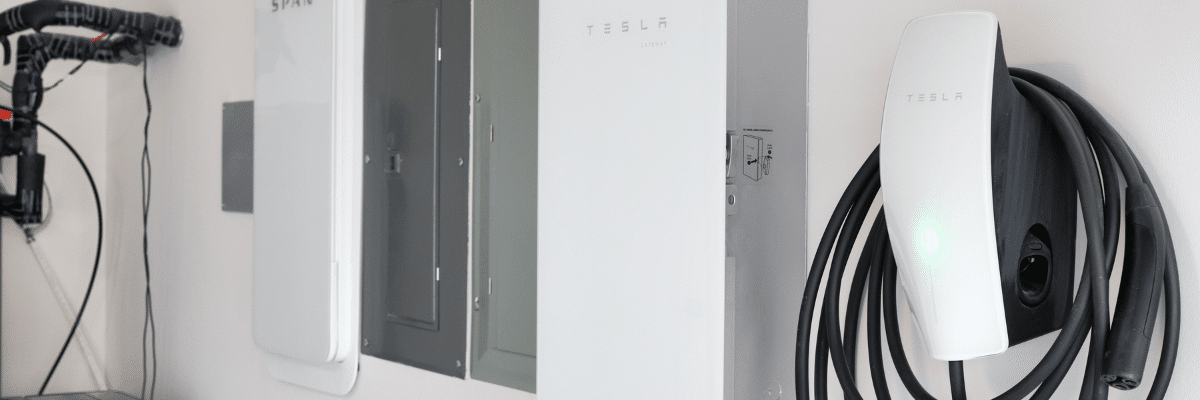
Yes — Tesla owners can benefit from the federal EV charger tax credit. Any Tesla Wall Connector or Level 2 charger installed at your home or business qualifies, as long as:
- It meets safety standards
- It is installed on your property
- It is used for charging qualifying vehicles (including all Tesla models)
This effectively acts as a rebate for Tesla charging equipment, reducing your installation cost by up to 30%.
FAQ: Federal EV Charger Tax Credit
- Do Tesla chargers qualify for the federal credit? Yes. Tesla Wall Connectors and other Level 2 chargers qualify as long as installation requirements are met.
- 2. Can renters claim the credit? Yes — if you lease the property and install the charger with permission.
- Does the credit apply to portable chargers? No. Only permanently installed chargers qualify.
- Can I claim the credit for multiple chargers? Yes, as long as each installation meets eligibility requirements.
Claim Your EV Charger Tax Credit Before June 30, 2026
Don’t miss your chance to save 30% on a home or business EV charger. Contact Solstice Solar today for a free consultation and learn how to maximize your federal tax credit before it expires on June 30, 2026.